Digital Gift Cards
Global Gift Cards
CROSS BORDER GIFTCARD
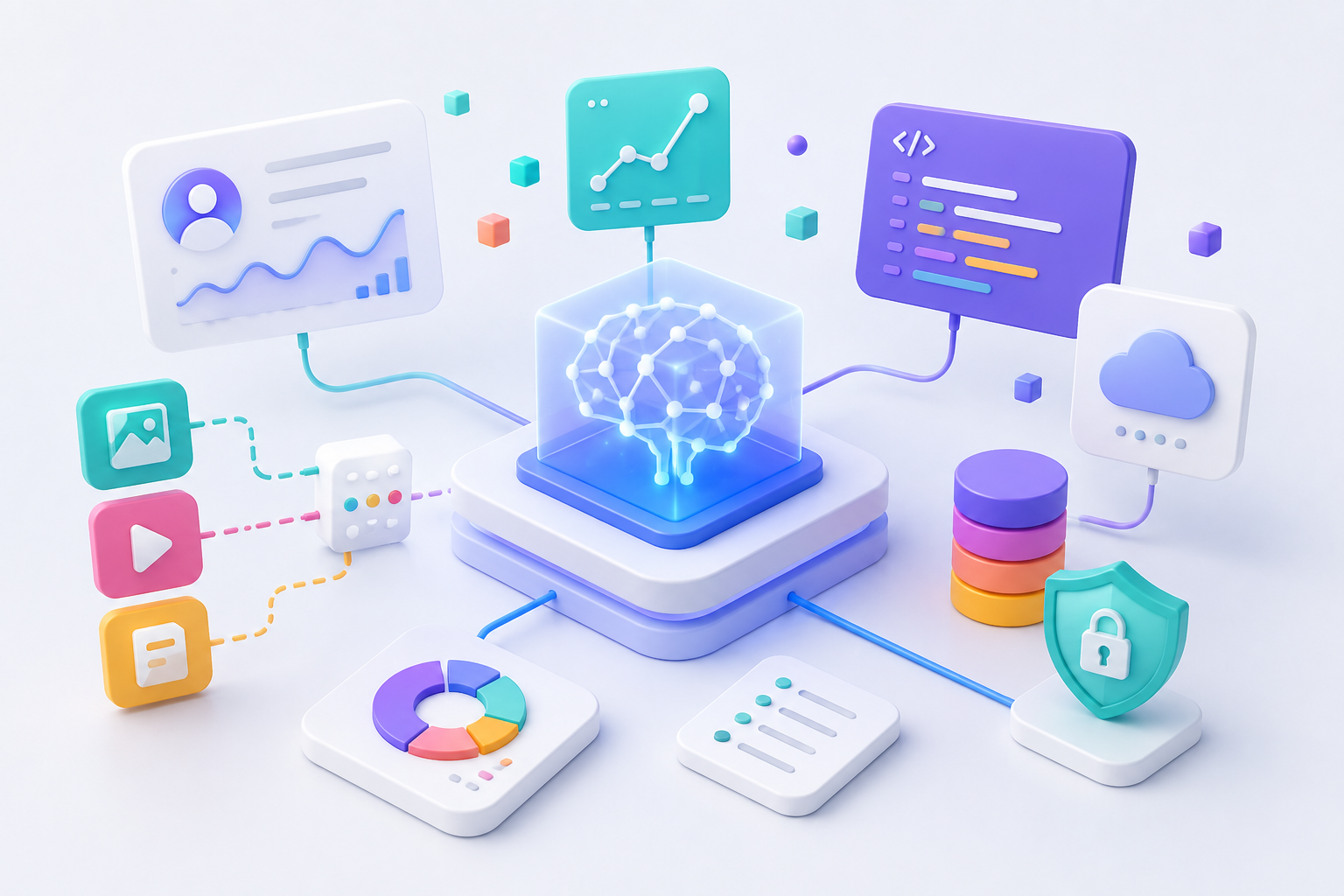

A user opens an AI writing assistant, finishes a tenth project, and instead of a generic "nice work" notification, receives a small gift card credit tied to the exact milestone they just cleared. That single moment, tuned by a model that knows this user's usage pattern, is doing more retention work than a month of push notifications. Across AI SaaS and AI-native consumer products, growth and retention teams are quietly rebuilding their engagement loops around this idea: rewards that arrive at the right micro-moment, chosen by the same personalization layer that already powers the product experience.
In short: AI platforms are moving gift card rewards from a generic loyalty add-on to a core signal inside the engagement loop, using behavioral and usage data to decide when, what, and how much to reward. This shift is driven by AI's ability to personalize the timing and value of an incentive, and it requires reward infrastructure that can plug into product logic via API rather than sit in a separate marketing tool. For teams building this, the reward catalog, delivery reliability, and global currency coverage matter as much as the AI logic deciding who gets rewarded.
The underlying rewards infrastructure market reflects how fast this shift is happening. The global customer loyalty management software market is projected to grow from USD 15.29 billion in 2025 to USD 17.87 billion in 2026, a compound annual growth rate of 16.8 percent (The Business Research Company, Customer Loyalty Management Software Global Market Report, 2026). That growth is explicitly tied to demand for real-time analytics and personalization, the same capabilities AI product teams are already building for their core features and now extending into how rewards get triggered and distributed.
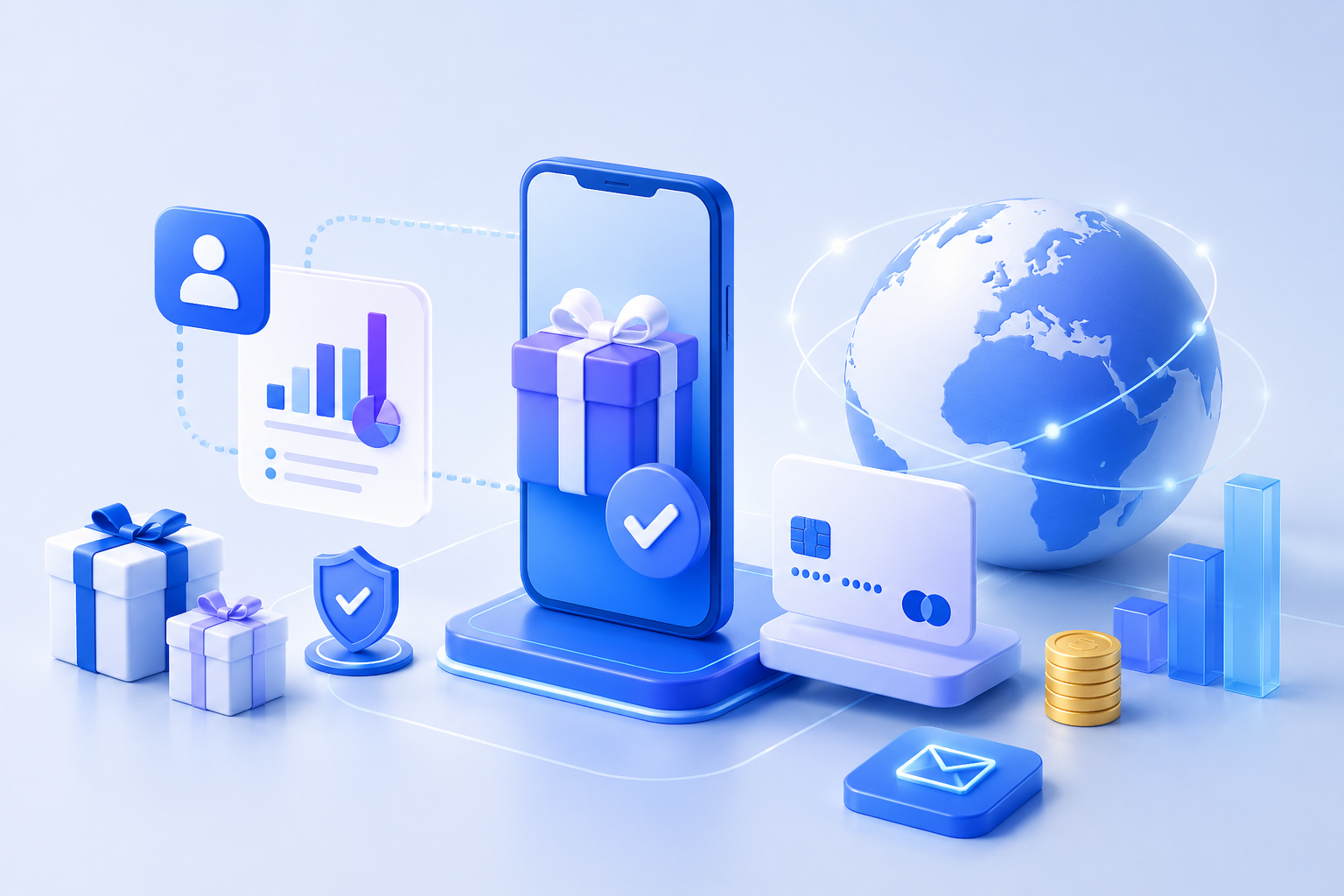
Traditional loyalty programs were built as a layer on top of the product: earn points, redeem points, repeat. AI platforms are collapsing that separation. Because an AI product already tracks fine-grained behavioral signals, session depth, feature adoption, drop-off points, the same signals that train a recommendation model or a churn predictor can trigger a reward decision in real time.
This changes what a "reward" actually does inside the product. It is no longer a retroactive thank-you for past loyalty. It becomes a lever inside the activation and habit-formation loop itself, timed to the moment a user is deciding whether to come back tomorrow.
In a mature setup, the decision of when to issue a reward, and how large it should be, is itself a model output rather than a fixed rule. A user who churns after their third session gets a different intervention than a power user approaching a usage ceiling. Instead of "reward everyone at day 7," the trigger condition looks more like "reward this specific user segment at the moment their predicted retention probability drops below a threshold."
For a growth or retention lead evaluating this, the practical question is not whether the AI logic can make that call. Most teams already have the modeling capability. The bottleneck is almost always the fulfillment side: can the reward actually be issued, in the right currency, in the right country, fast enough to matter, without the growth team having to file a manual request every time the model fires.
The same logic extends to reward value and format. A flat $5 gift card sent to every user at the same lifecycle stage ignores what actually motivates each segment. AI-driven reward selection can vary the denomination, the brand category, or even whether a gift card is the right incentive at all compared to in-product credit, based on what has driven engagement for similar users before.
This is where reward catalog breadth starts to matter operationally, not just as a nice-to-have. If the model recommends a streaming service card for one segment and a retail card for another, the underlying infrastructure needs enough catalog depth and enough geographic coverage that the recommendation can actually be fulfilled rather than substituted with whatever happens to be available.
For teams actually implementing this, three practical considerations tend to separate a working reward loop from a stalled one.
None of this requires the AI product team to become experts in gift card logistics. It does require treating reward delivery as infrastructure with the same reliability bar as any other API the product depends on, rather than as a marketing operations task bolted on afterward.
It's worth separating this from adjacent use cases like employee recognition or survey incentives, where the reward is a one-off transaction tied to a single event. In an AI engagement loop, the reward system is called repeatedly, often automatically, and needs to hold up under continuous, model-driven traffic rather than periodic batch sends. That distinction shapes what to evaluate: uptime and API responsiveness matter more here than they would for a quarterly employee rewards run, even though the underlying delivery mechanics (catalog, currency coverage, redemption experience) are similar to what platforms already evaluate when choosing a digital rewards platform for a global workforce.
Wincube Global, which has processed over USD 220 million in gift card GMV in 2025 across a catalog of more than 30,000 gift cards spanning over 90 countries, operates the kind of reward infrastructure that AI platforms need when a personalization model, not a marketing calendar, decides when a reward should be issued. A broad catalog and wide country coverage matter directly here: when a model recommends a specific brand or denomination for a specific user segment, the fulfillment layer needs to actually have that option available, in that user's country, without a fallback substitution that weakens the reward's intended effect.
If your team is exploring how to connect reward delivery to an existing personalization or engagement pipeline, it's worth looking at how the underlying catalog and delivery infrastructure would need to behave under that kind of automated, model-driven trigger volume before committing to a specific design for the loop.
Do AI platforms need a different kind of gift card infrastructure than a standard loyalty program? Not fundamentally different, but the infrastructure needs to handle higher-frequency, automated calls rather than periodic batch sends, since rewards are often triggered directly by model output in real time.
What's the biggest technical bottleneck when embedding rewards into an AI engagement loop? Usually fulfillment reliability and catalog breadth, not the personalization model itself. Most teams can already decide when to reward a user; the harder problem is issuing the right reward, in the right currency, fast enough to matter.
Should reward value always be personalized, or is a flat reward acceptable? A flat reward is simpler to operate but tends to underperform for engagement purposes, since it ignores which incentive type or value actually drives continued usage for a given user segment. Personalized value works best when the underlying catalog can actually fulfill the variation the model recommends.
Sources
Learn more about Wincube Global